Best Heroes for Climbing in Overwatch
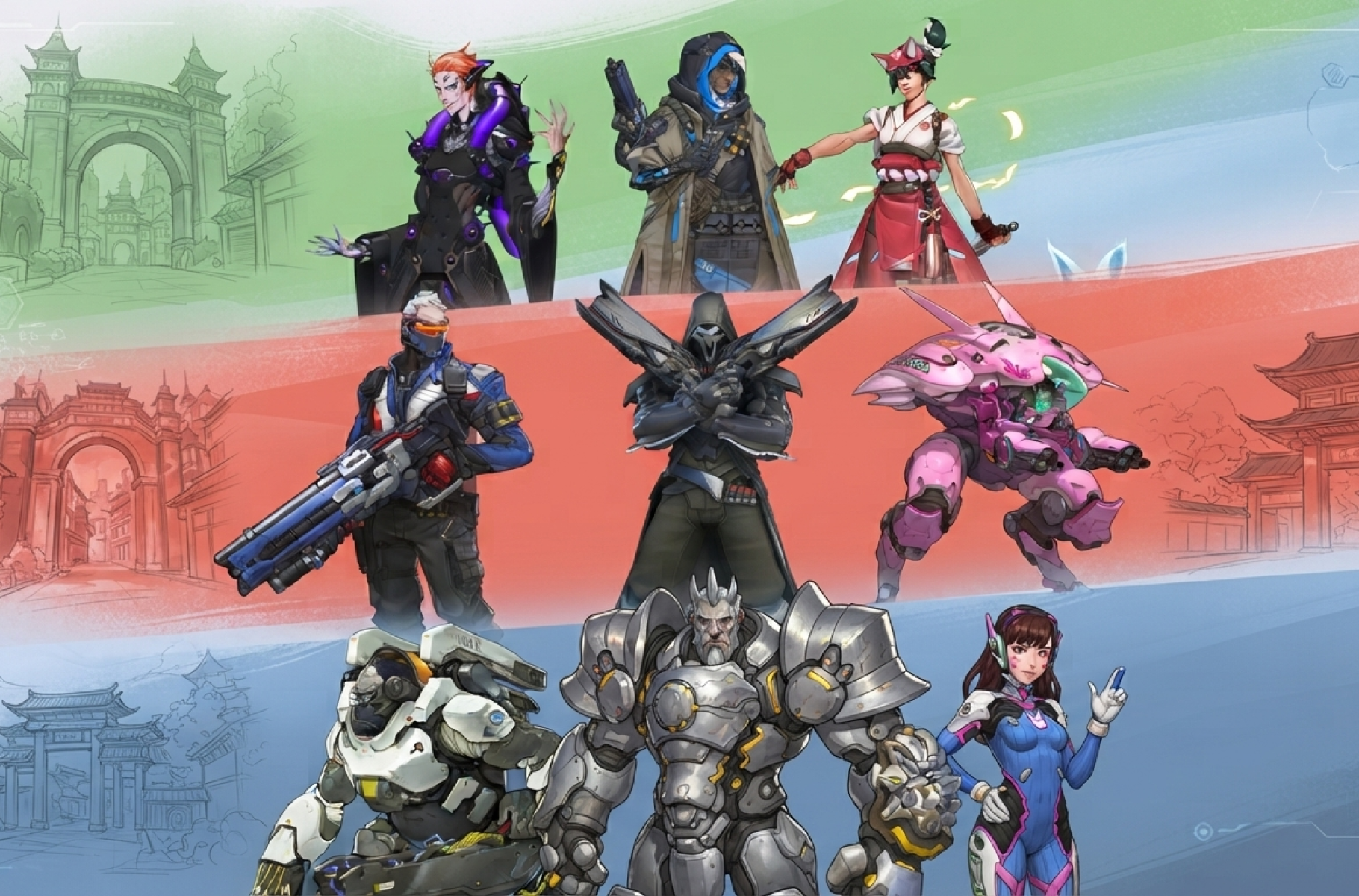
Climbing the competitive ladder in Overwatch requires more than individual mechanical skill; it demands a strategic approach to hero selection. The correct hero choice provides a tangible advantage, increasing win consistency and accelerating progression through the ranks. This analysis examines the roster to identify characters with high carry potential, forgiving learning curves, and resilience to meta shifts, providing a framework for players seeking efficient improvement.
Why Hero Choice Matters in Overwatch
Hero selection directly influences match outcomes by determining your capacity to compensate for team deficiencies and exploit enemy weaknesses. Characters with self-sufficiency, high impact ultimates, and straightforward mechanics offer a more reliable path to victory in the variable environment of solo queue. Mastering a limited roster of two to three heroes allows for deeper understanding of cooldown management, matchups, and positioning, whereas frequent switching leads to superficial proficiency. Universal heroes who function effectively across various team compositions and maps provide a stable foundation for climbing, irrespective of temporary balance changes.
| Hero | Role | Difficulty | Best For | Carry Potential |
|---|---|---|---|---|
| Soldier: 76 | Damage | Easy | Beginners, consistent damage | High |
| Reaper | Damage | Easy | Close-range fights, lower ranks | High |
| Cassidy | Damage | Medium | Accurate players, duels | High |
| Winston | Tank | Medium | Coordinated team fights, dive | Medium-High |
| D.Va | Tank | Medium | Protecting teammates, flexibility | High |
| Reinhardt | Tank | Easy-Medium | Team-oriented players | Medium |
| Ana | Support | Hard | Experienced players, positioning | Very High |
| Moira | Support | Easy | Beginners, solo queue | High |
| Kiriko | Support | Medium-Hard | Mobile support, clutch saves | Very High |
| Lucio | Support | Medium | Aggressive team play | High |
What Makes a Hero Good for Climbing
Effective climbing heroes share key attributes: self-sufficiency, enabling survival without constant support; playmaking potential, through abilities that can single-handedly secure team fights; and consistency, maintaining performance despite patch updates. "Carry potential" specifically refers to a hero's ability to influence match outcomes disproportionately through eliminations, key utility usage, or objective control. Heroes with high skill floors offer immediate value, while those with high skill ceilings reward dedicated practice.
Best Tank Heroes for Climbing
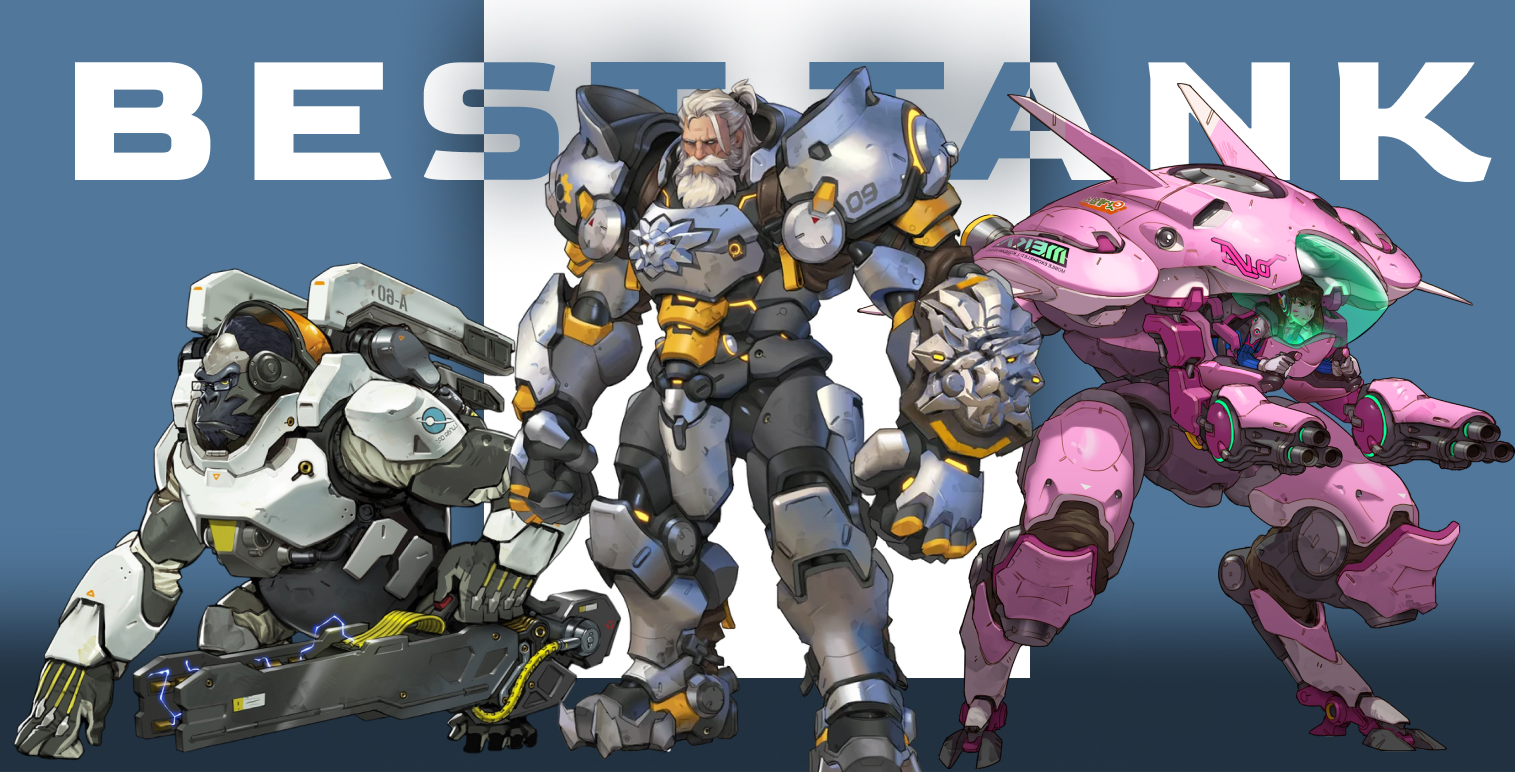
Tanks control space and initiate engagements. D.Va stands out due to her exceptional versatility, combining high mobility with defensive utility via Defense Matrix, allowing her to negate critical enemy abilities and protect teammates. Winston is optimal for coordinated dives, capable of disrupting backline supports with minimal reliance on team follow-up. For players new to the role, Reinhardt provides clear objectives in holding frontlines and teaching fundamental positioning, though his effectiveness is more team-dependent.
Best Damage Heroes for Climbing
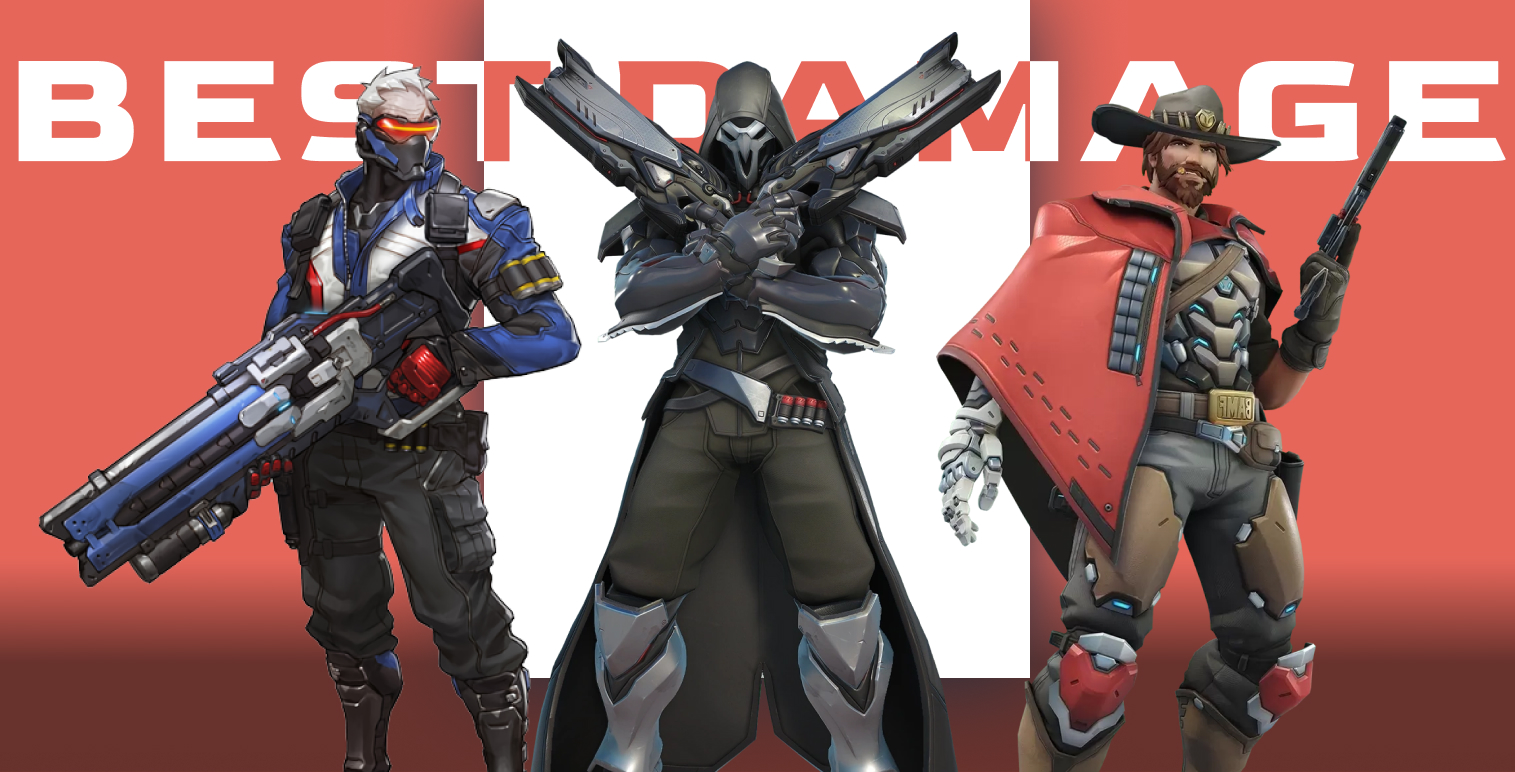
Damage heroes must secure eliminations consistently. Soldier: 76 remains the premier choice for reliable climbing due to his straightforward kit: sustained damage, sprint for repositioning, and biotic field for self-sustainability. Cassidy offers immense duel-winning potential with his high burst damage and combat roll, rewarding players with precise aim. Reaper dominates in lower to mid-tier ranks where positioning is often lax, leveraging his high close-quarter damage and wraith form escape to punish mistakes.
Best Support Heroes for Climbing
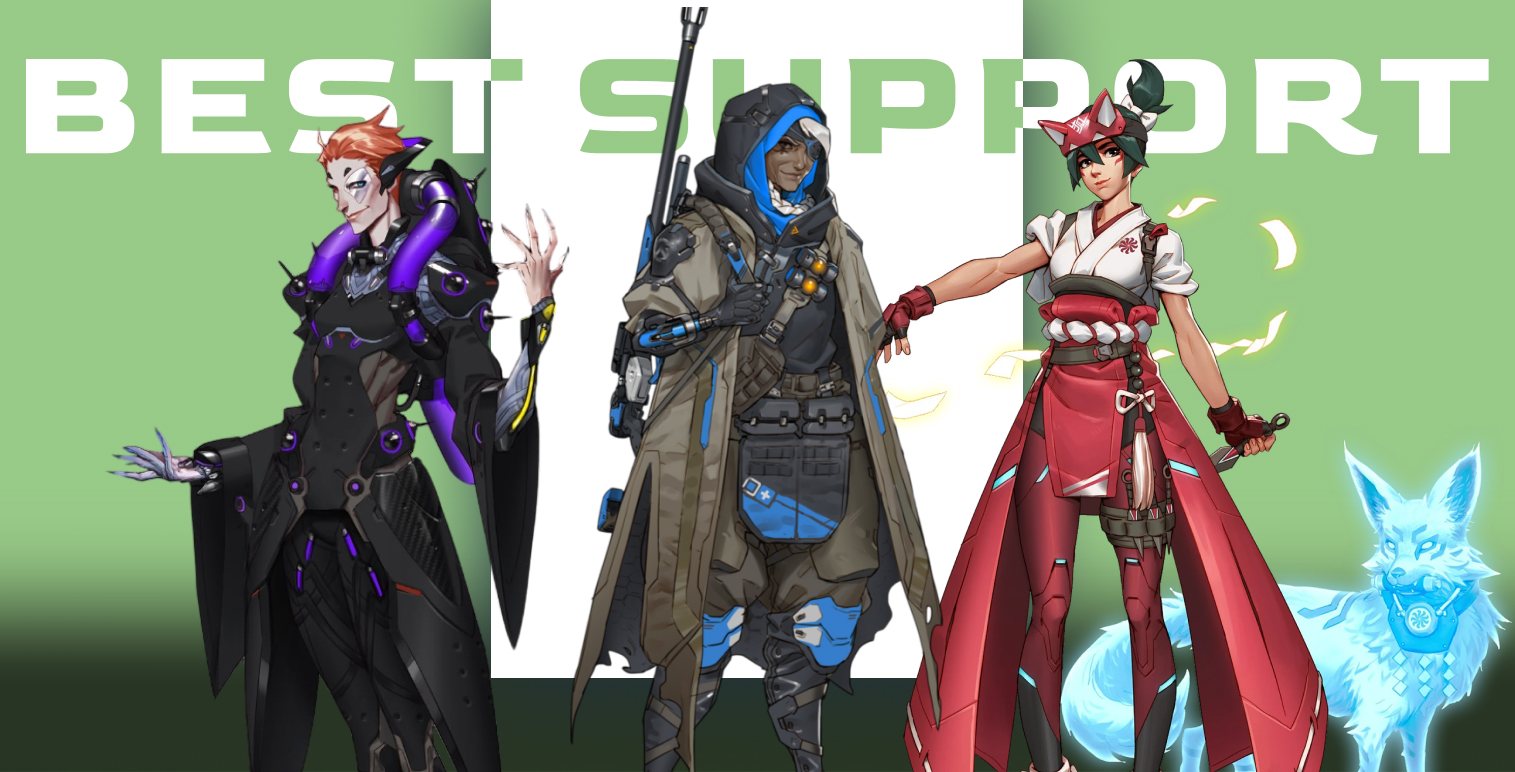
Modern supports are force multipliers. Ana possesses the highest playmaking capacity in the role, with a biotic grenade that can swing fights and a sleep dart that can cancel enemy ultimates, demanding strong positioning and game sense. Kiriko combines robust healing with exceptional mobility and game-saving potential via her Protection Suzu. For accessible impact, Moira provides high survivability, consistent healing output, and significant damage contribution with minimal mechanical demand.
Heroes Beginners Should Start With
New players should prioritize heroes with intuitive mechanics that facilitate learning core game concepts.
| Hero | Why It's Beginner-Friendly |
|---|---|
| Soldier: 76 | Familiar FPS mechanics, self-healing, easy to learn |
| Reaper | High survivability and forgiving close-range combat |
| Moira | Simple healing, strong escape ability, low mechanical requirements |
| Reinhardt | Teaches positioning, teamwork, and space control |
| D.Va | Mobile tank with versatile abilities and high survivability |
How to Choose Your Main Hero
Select a hero that aligns with your innate playstyle preferences to ensure sustained engagement and improvement.
| If you enjoy… | Recommended Heroes |
|---|---|
| Fast movement | Tracer, Genji, Lucio |
| Simple mechanics | Soldier: 76, Reaper, Moira |
| Protecting teammates | Reinhardt, D.Va, Kiriko |
| Long-range precision | Widowmaker, Ashe, Ana |
| High survivability | Roadhog, Moira, Reaper |
| Supporting the team | Mercy, Lucio, Kiriko |
Mistakes That Slow Your Rank Progress
Common strategic errors impede climb more than mechanical ones. These include persistently playing a hero countered by the enemy composition, prioritizing individual statistics over objective completion, and failing to adapt strategy to specific map geography. Attempting to emulate professional playstyles without the requisite team coordination often leads to ineffective aggression. A structured review of gameplay, such as that provided by Overwatch Coaching services, is the most efficient method for identifying and correcting these decision-based mistakes.
Improve Beyond Hero Choice
While optimal hero selection provides a significant advantage, sustained progression requires mastery of macro-level concepts: map control, ultimate economy tracking, and team communication. Proficiency with a chosen hero must be coupled with these broader skills. Players with limited time who aim to achieve specific seasonal ranks may utilize Overwatch Rank Boosting services, while those focused on long-term personal improvement often find greater value in dedicated Overwatch Coaching to build a comprehensive competitive foundation.
F.A.Q
1. What does “climbing” mean in Overwatch, and why does hero choice matter so much?
Climbing refers to increasing your Skill Rating (SR) or Competitive Division by winning matches. Hero choice matters because each hero has a specific role, kit, and synergy with the team. Picking a hero that fits the current meta, your map, and your own strengths can dramatically increase your impact per game. A well-chosen hero can carry fights, while a poor pick can leave your team disadvantaged before the match even starts.
2. Should I focus on one hero or learn multiple heroes for climbing?
Your approach should be balanced. Start by mastering one hero in your preferred role to build deep mechanical skill and game sense. Once you are comfortable, learn two or three additional heroes that cover your hero’s weaknesses or counter common threats. For example, if you main Pharah, learning Soldier: 76 helps when enemies run hitscan. A smaller, well-rounded pool (3–4 heroes total) is much better than being average on many heroes.
3. Are tank or support heroes easier to climb with than DPS?
Both are viable, but the difficulty curve differs. Tanks have the highest responsibility for space and tempo; a good tank can enable the entire team, but a bad tank loses games instantly. Supports have high impact through sustain and utility, but they depend more on team positioning. DPS relies on mechanical aim and timing, giving more direct carry potential but also more variation due to random teammates. In lower ranks, DPS and tank tend to carry harder; in high ranks, support and tank often decide matches due to utility and coordination.
4. How much do map and game mode matter when choosing a hero?
They matter a lot. For example: On Control and Hybrid maps, high-mobility heroes like Tracer and Lucio shine due to constant fight rotations. On Push maps, long-range heroes like Ashe and Sojourn excel because of open sightlines. On Escort maps with tight chokes, tanks like Reinhardt and Junker Queen can dominate. Always consider two factors: your hero’s range and mobility, and the map’s geometry. If you can adapt your hero to the map, you gain a significant edge.
5. Is it better to flex roles or to specialize in one role?
Specializing is generally better for climbing. Playing one role consistently builds rank-specific game sense, positioning habits, and mechanical consistency. Flexing across all roles spreads your focus and slows improvement. However, be willing to play at least one backup role at a decent level so you can fill if your main role is taken and the team composition needs you to switch. But do not switch roles frequently within a session; stick to your best.
6. What are the most common mistakes players make when trying to climb with their hero?
Overextending: chasing kills beyond safe boundaries, especially as tank or DPS. Poor ability timing: wasting critical cooldowns like Genji’s deflect, Zarya’s bubbles, or Ana’s sleep dart. Ignoring positioning: standing in open spaces or crowded choke points. Not adapting to enemy composition: refusing to switch when your hero is hard-countered. Mechanical tunnel vision: focusing only on shooting, not on health, cooldowns, and the objective. Fix these, and you will climb faster than any hero pick alone.
7. How important is team composition for climbing versus individual skill?
Individual skill is more important in lower ranks (Bronze–Gold). In these ranks, one strong player can dominate because teammates often fail to punish mistakes. In higher ranks (Diamond and above), team composition becomes crucial because opponents punish poor synergy. A balanced team with shields, sustain, and damage is essential, but even then, a tier-one player on a niche hero can succeed. Rule of thumb: focus on personal improvement until Diamond; then focus more on composition and teamwork.
8. What training routines or habits do you recommend to improve with my chosen hero?
Warm-up drills: spent 10–15 minutes in the practice range before matches, practicing aim, ability combos, and movement. VOD review: watch one of your losses per day; look for two mistakes in positioning and one in ability usage. Watch high-rank players: streamers or pro players who play your hero; note their decision-making, not just aim. Focus on one mechanic at a time: e.g., in one week, work solely on tracking; next week, on cooldown management. Play with a goal: each match, write down one thing you want to practice, and review if you did it. Consistency is more important than intensity; 30-60 minutes of focused practice daily beats a 5-hour binge once a week.